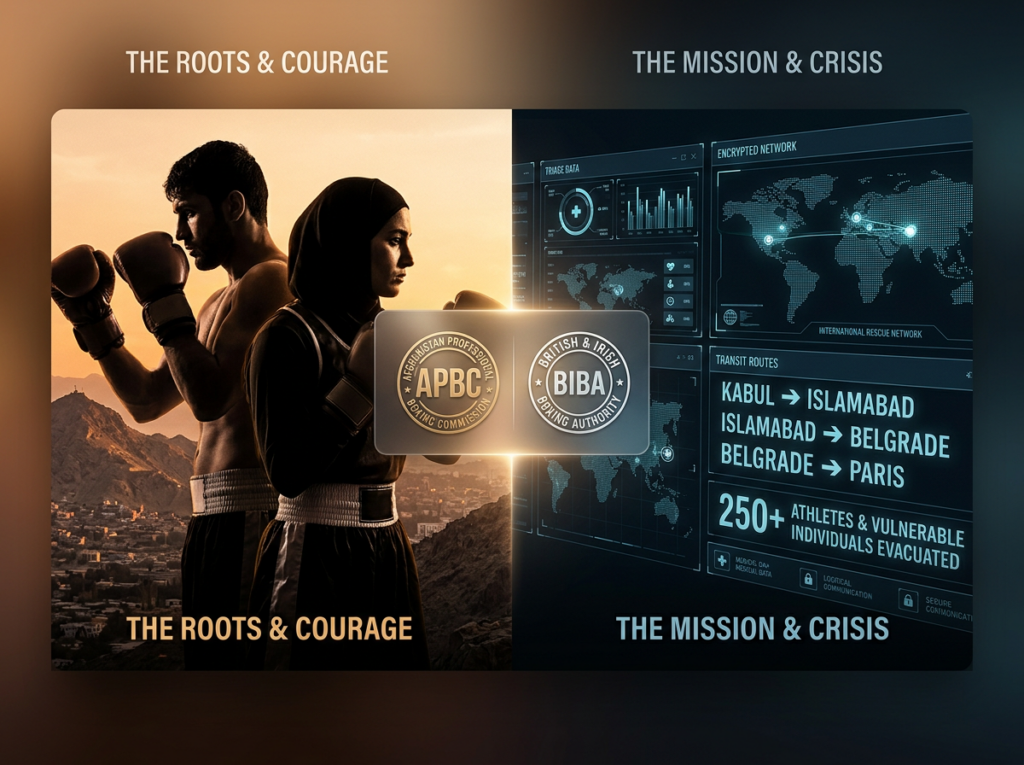
Gianluca Di Caro, the BIBA Taskforce, and Afghanistan – Humanitarian Diplomacy, Institutional State-Building, and Crisis Management: Afghanistan (2017–Present)
Executive Summary
The multi-year intersection of Gianluca Di Caro—Vice President and Chief Executive of the British & Irish Boxing Authority (BIBA)—with Afghanistan represents an extraordinary convergence of sports diplomacy, institution-building, high-risk security crisis management, and private-sector humanitarian rescue.
Spanning from 2017 through the present day, Di Caro’s involvement developed across three major historical chapters:
- State-level institutional development (founding the Afghanistan Professional Boxing Commission under then-President Mohammad Ashraf Ghani Ahmadzai in 2017).
- Extreme operational danger (surviving a deadly, two-hour militant siege inside a Green Zone university headquarters).
- A massive global rescue and extraction network following the August 2021 collapse of Kabul, which sheltered, moved, and secured asylum for around half of the approximately 250 endangered athletes, coaches, and persecuted minority individuals he was attempting to help, across multiple continents.
Institutional State-Building and the 2017 Presidential Mandate
Long before the geopolitical security collapse of 2021, Di Caro’s operational footprint in Central Asia was established through formal governmental and sports-administrative channels.
- The Presidential Request (2017): At the express request of the President of Afghanistan, Mohammad Ashraf Ghani Ahmadzai, Gianluca Di Caro was called upon to help design, structure, and launch a formal national professional boxing administration.
- Creation of the APBC: Di Caro formalised the Afghanistan Professional Boxing Commission (APBC), which was created via a partnership between The Afghanistan All Martial Arts Federation (AAMAF) and the British & Irish Boxing Authority (BIBA). The commission was tasked with shifting Afghan fighters away from informal, unregulated circuits and integrating them into global safety, medical, and sanctioning standards. To read Sportsvibe article click here
- Regulatory Frameworks: Di Caro helped draft stringent licensing protocols and medical governance frameworks to protect combatants, establishing institutional pathways for international professional boxing development in Kabul. To read Ringnews24 article click here
The Green Zone Siege and University Headquarters
To house the administration of the APBC and coordinate international training programs, joint operational headquarters were established within a university complex located deep inside Kabul’s heavily fortified Green Zone.
- The Militant Assault: The profound security risks of operating in the region materialised when heavily armed insurgents launched a coordinated, high-casualty terrorist attack on the university and Green Zone compound.
- Defence and Casualties: The dedicated security detail stationed to protect the facility engaged the attackers in close-quarters combat, ultimately being killed in action during a ferocious two-hour firefight. The outer administrative offices were heavily damaged and destroyed by gunfire and explosive devices.
- The Bomb-Proof Safety Room: While the security personnel perished and the facility was overrun, the BIBA and APBC core administrative team survived by retreating into a heavily reinforced, bomb-proof safety room built within the complex’s infrastructure. They remained locked inside under siege conditions until friendly military forces eventually restored control.
The 2021 Fall of Kabul and Roster Expansion
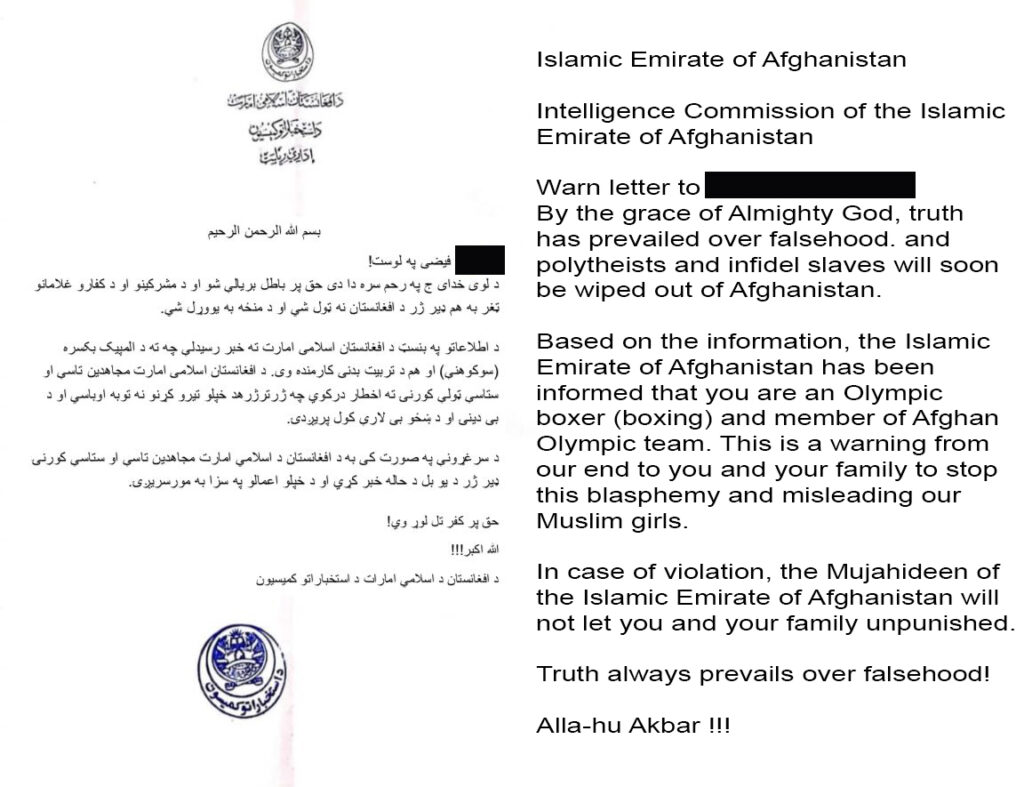
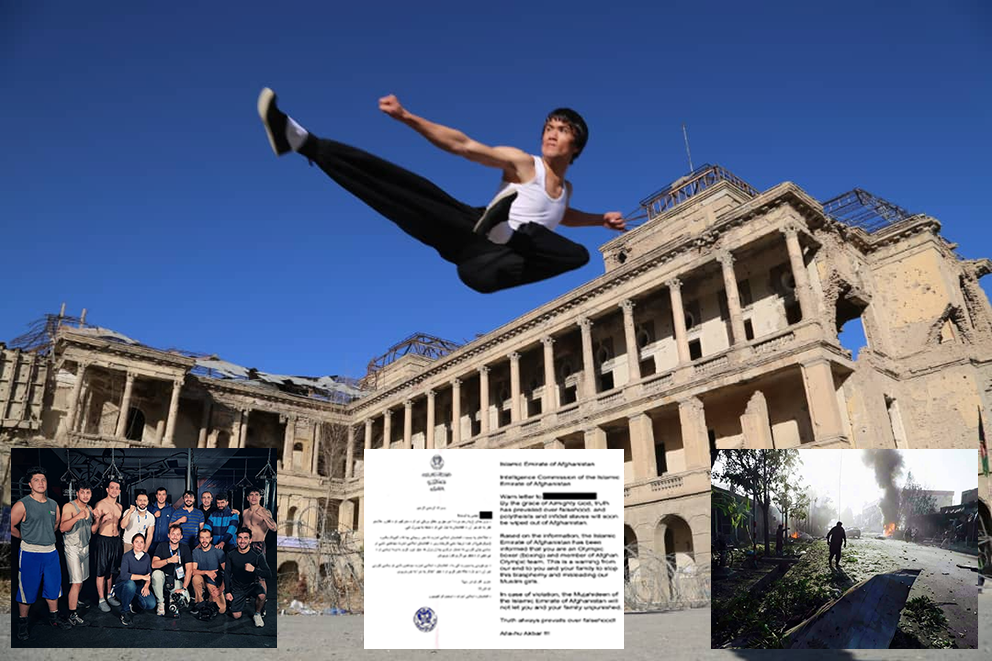
When the Afghan government collapsed following the departure of President Mohammad Ashraf Ghani Ahmadzai in August 2021, secular athletes—particularly female champions facing targeted home invasions, physical beatings, and death threats from Taliban units—faced immediate execution.
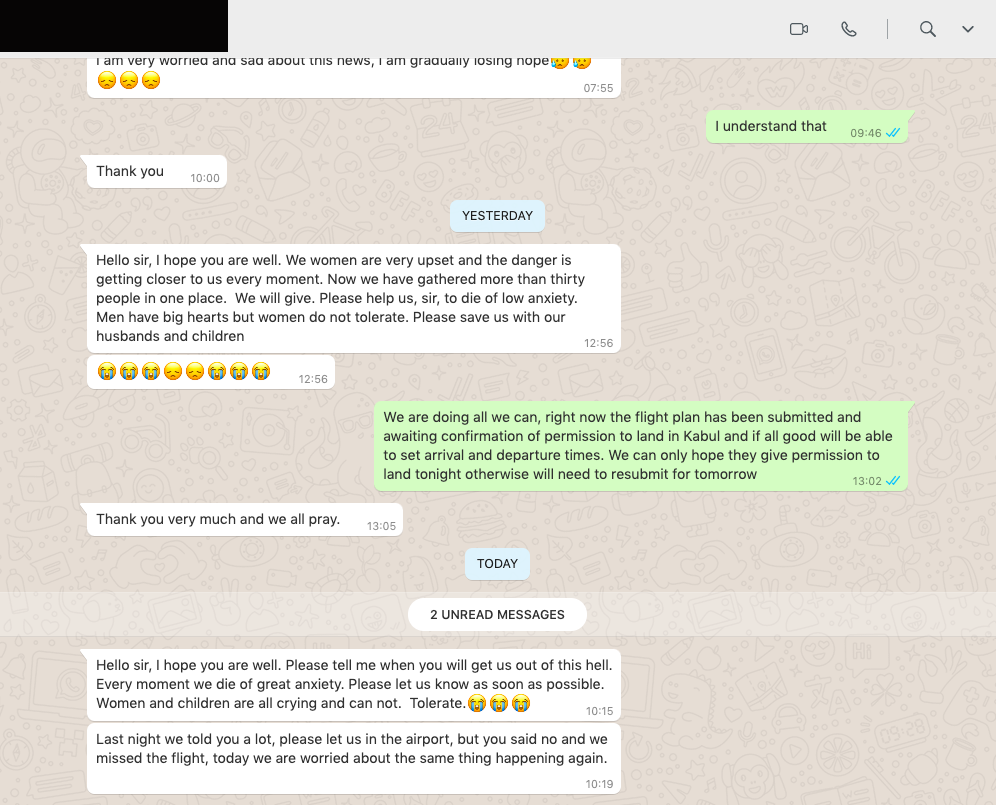
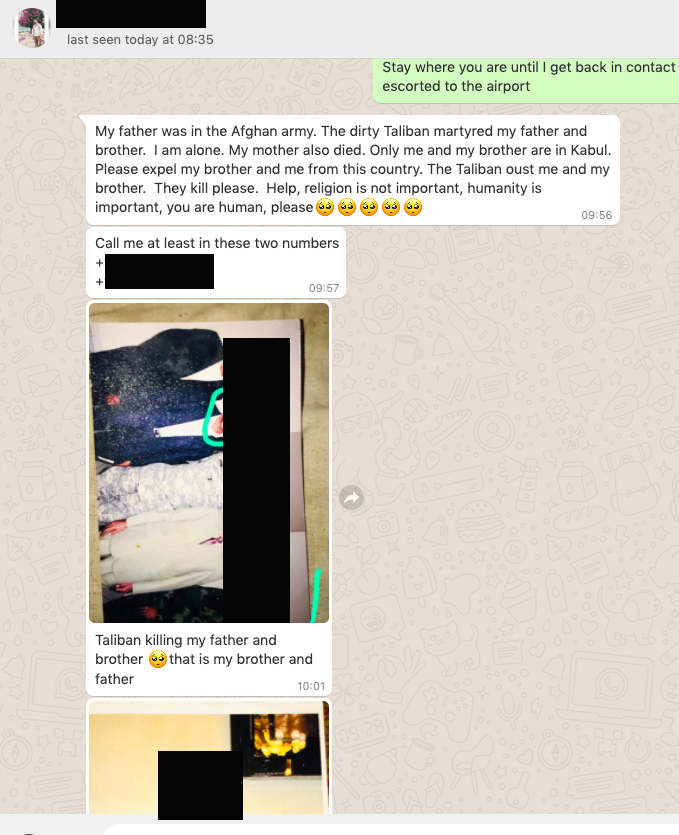
Rapid Digital Triage: Di Caro launched an immediate trace operation targeting 12 Afghan professional boxers holding BIBA licenses. Within hours, his administrative team successfully contacted 10 of them who were hiding in underground basements and burning their sporting gear to avoid detection.
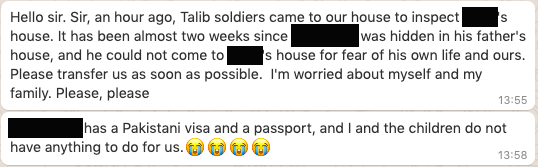
- Scaling to 250 Individuals: The humanitarian mission quickly expanded past professional boxing. Under Di Caro’s leadership, BIBA’s protective registry swelled to roughly 250 individuals, encompassing:
- Over 20 male boxers and 10 female boxers, alongside multi-generational family members.
- Technical judges, coaches, and administrative officials from the Afghanistan National Olympic Committee as well as Affiliated competitors from the International Tennis Federation as well as Olympic Volleyball athletes
- Over 20 male boxers and 10 female boxers, alongside multi-generational family members.
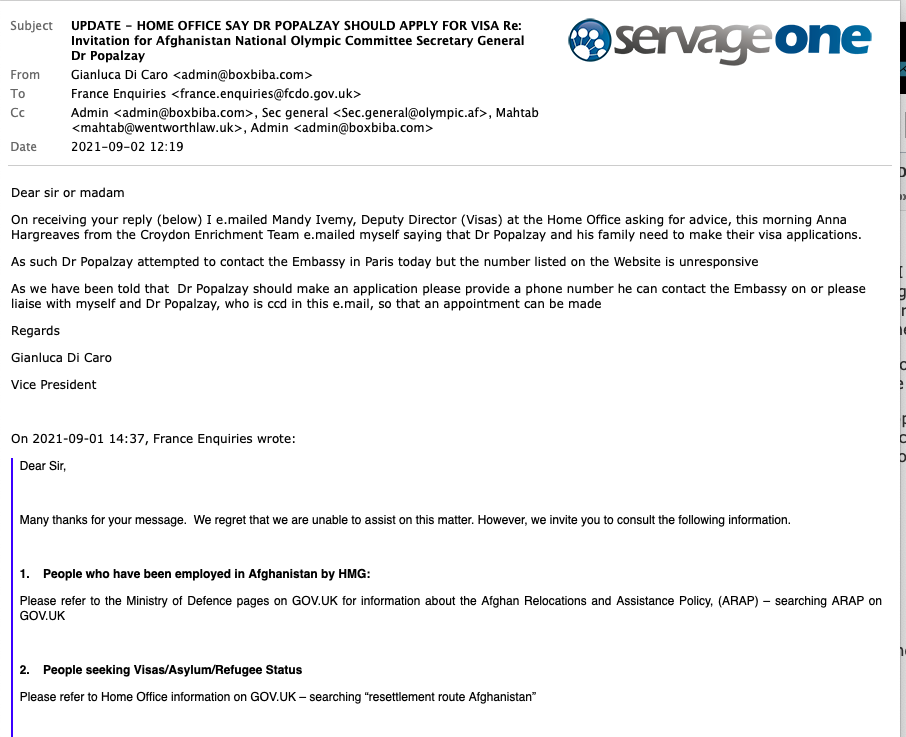
- Intricate Threat Dossiers: To satisfy foreign immigration panels, Di Caro’s team built meticulous individual dossiers containing photographic proof of home destruction, athletic credentials, and explicit logs of active persecution.
The BIBA Taskforce — Key Team Members and Roles
While Gianluca Di Caro served as the public and operational spearhead, the massive administrative, legal, tactical elements were undertaken by the BIBA Team and the logistical weight of the rescue operation was executed by a specialised team of international special forces (SAS and Delta Force) co-ordinated by the BIBA team:
- Marianne Marston (BIBA Secretary General)
- Communications Triage: Partnered with Di Caro on the opening night of the Kabul collapse to launch emergency digital tracing lines through encrypted channels.
- Database & Dossier Control: Administered the rapidly expanding registry of 250 athletes and families, compiling the detailed biographical and athletic dossiers required for foreign visa processing.
- Welfare and Integration: Coordinated with international sports bodies and human rights advocates to secure physical and mental health support for vulnerable evacuees.
2. Mahtab Aziz (BIBA Legal Counsel)
- Immigration Architecture: Formulated the formal legal threat dossiers submitted to foreign ministries, substantiating the mortal danger applicants faced under strict Taliban rule.
- Regional Safe Corridors: Secured regional refuge frameworks, coordinating directly with British boxing star Amir Khan to utilise the Amir Khan Boxing Academy in Islamabad as a safe staging base and advisory centre for fighters crossing into Pakistan. To read Boxing Ghana article click here
- Asylum Filings: Spearheaded cross-border legal filings across multiple European and Asian embassies to transition athletes into permanent political asylum.
3. Pete Crotty (BIBA Boxer, Military Veteran & Logistics Coordinator)
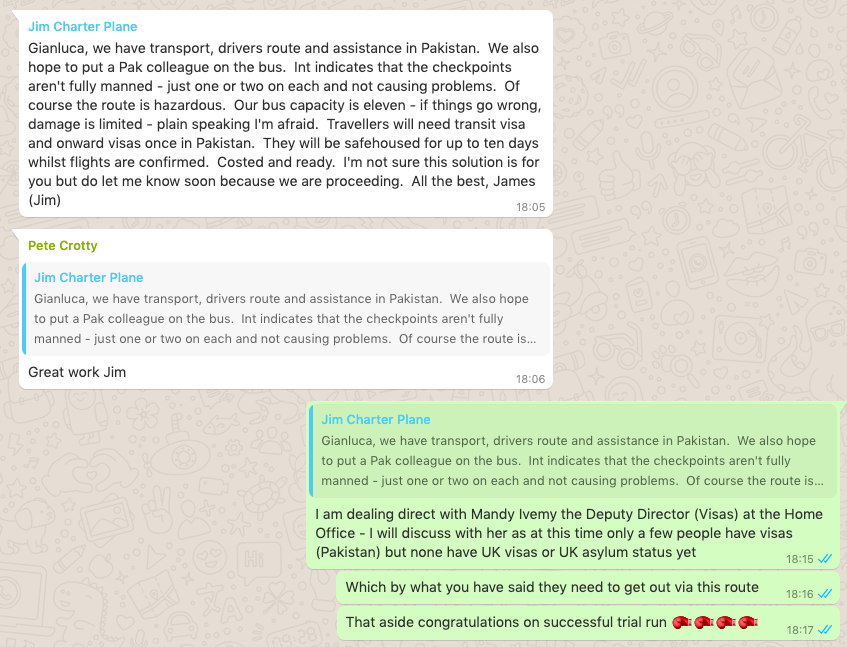
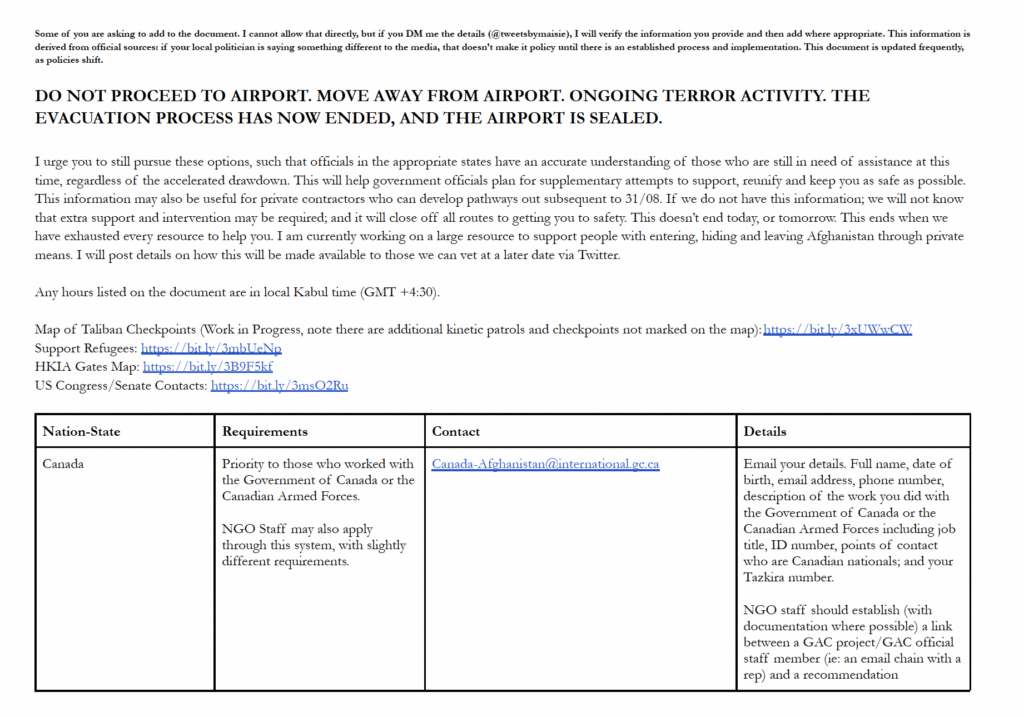
- Route Planning: Leveraged deep military intelligence and tactical networks to advise the team on navigating hostile Taliban checkpoints, safe houses, and blocked perimeter gates around Kabul.
- Risk Mitigation: Assessed threat levels and managed timing, communications security, and covert transit methods for staging units attempting high-risk overland movements toward regional borders.
4. Matt Scriven (Former BIBA Boxer, BIBA Referee & Private Security Liaison)
- Industry Synchronisation: Acted as a vital bridge between the combat-sports sector and private security contracting networks actively extracting high-risk civilians.
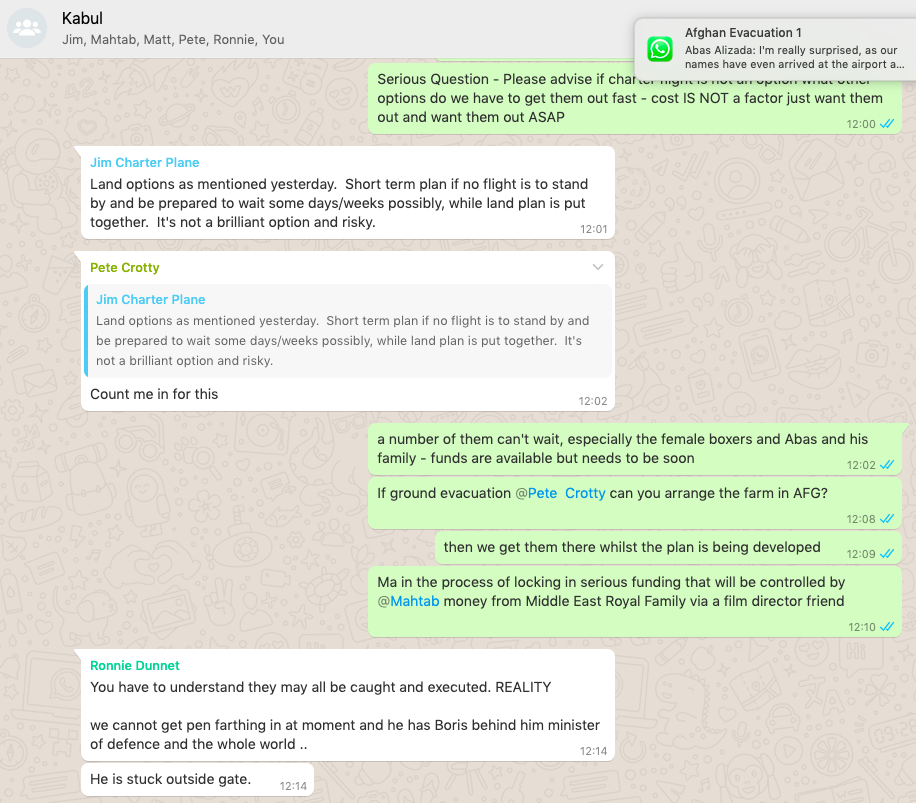
- Manifest Verification: Assisted in curating and verifying flight manifests—including the high-stakes 73-person charter flight attempt—ensuring licensed fighters and dependents were accounted for during chaotic ground operations.
Overcoming Institutional Failure and Private Logistics
Faced with unmonitored digital government queues, jammed immigration hotlines, and overwhelmed UK Home Office frameworks, Di Caro and his team bypassed traditional bureaucratic gridlock by constructing a parallel private extraction architecture.
- Private Security Integration: Integrated private military contractors and military veterans into the rescue network to map clandestine underground routes through hostile checkpoints.
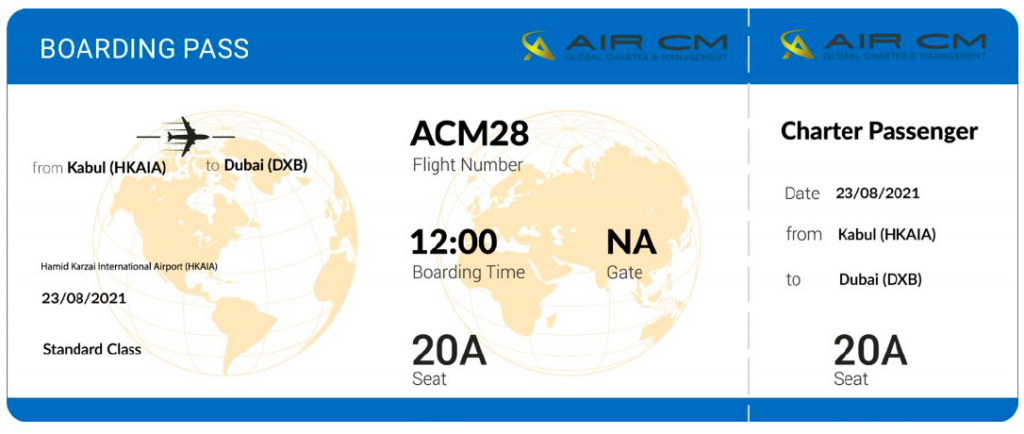
- The Collapsed Charter Flight: Curated a complete 73-person manifest with ground-entry documentation for a private charter flight out of Kabul. However, the operation collapsed at the eleventh hour due to a lack of official airfield clearances for non-Governmental aircraft on the ground at Hamid Karzai International Airport, forcing an immediate pivot to overland and regional border strategies.
Global Multi-Country Asylum and Relocation Architecture
Recognising that a single-nation resettlement policy would leave hundreds stranded, Di Caro instituted a global multi-jurisdictional diplomatic strategy, petitioning foreign ministries and Olympic networks worldwide to establish secure pathways:
- France: Securing Asylum for the AIBA World Championship Contingent
- The Belgrade Crisis: When the Afghan national amateur boxing team and its coaching staff traveled to Belgrade, Serbia, to compete in the AIBA Men’s World Championships, their homeland fell, making repatriation an absolute death sentence.
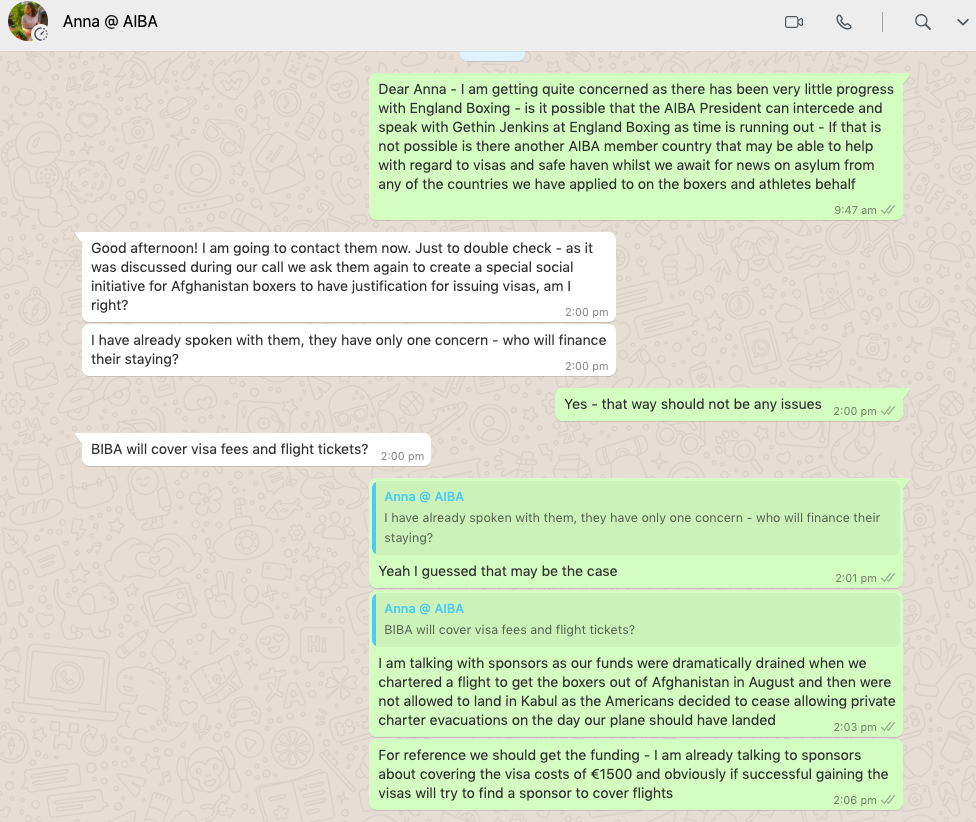
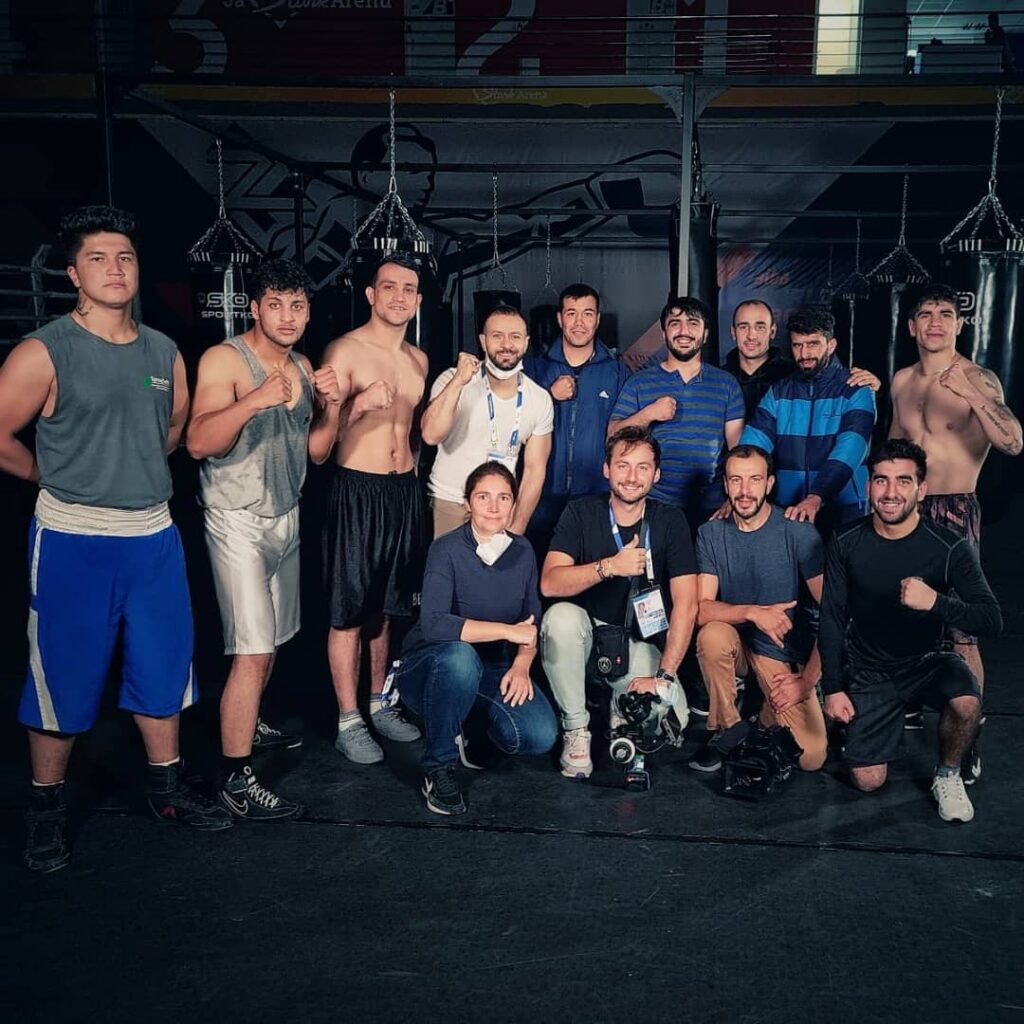
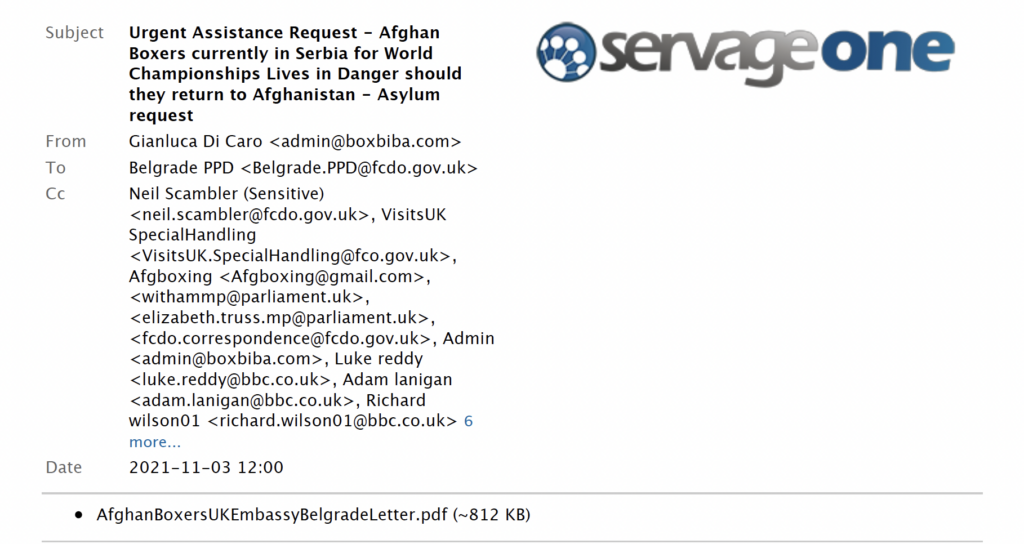
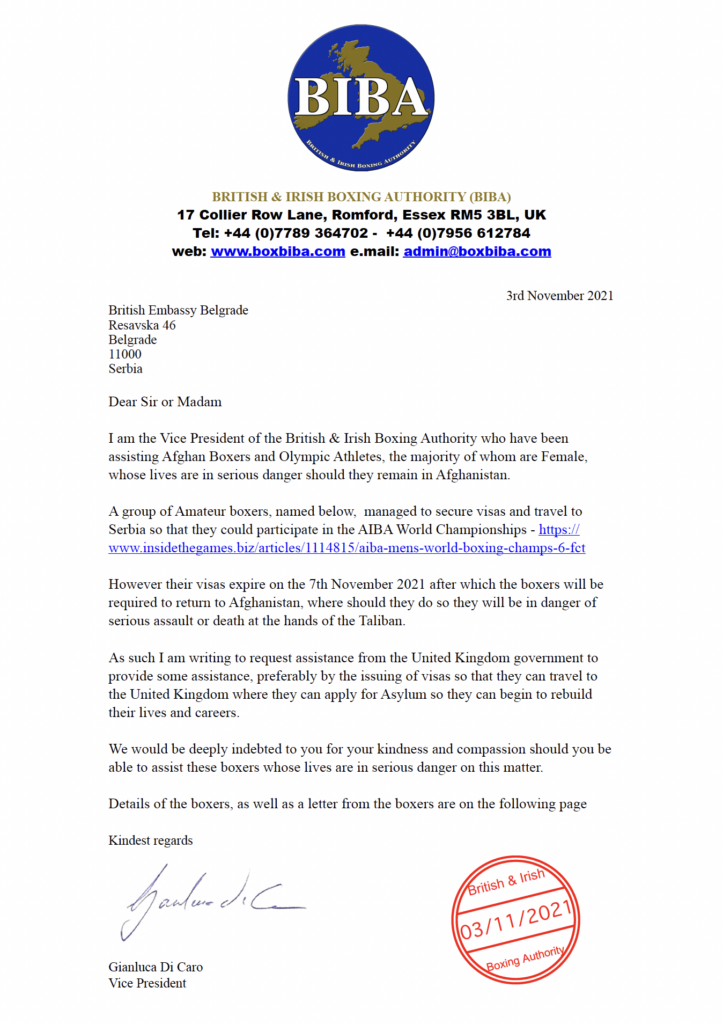
- The Intervention: At the request of AIBA administrative leadership, Di Caro and the BIBA network navigated European diplomatic channels to bypass standard immigration bottlenecks, successfully securing emergency humanitarian visas and permanent political asylum in France for 13 amateur boxers and their accompanying national team coaches.
2. Pakistan
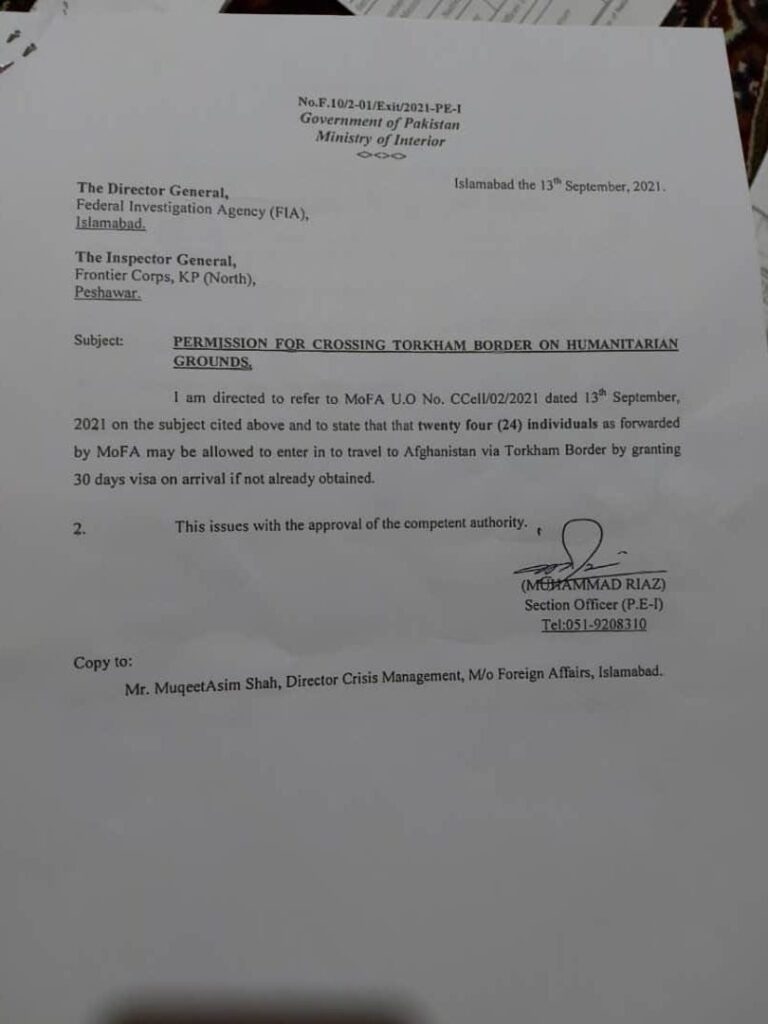
- Overland Escape Valve: Pakistan served as the primary immediate escape corridor. Coordinated with regional authorities, including the Pakistan Professional Boxing Commission (PPBC) and General Abass, who headed up the security for the BIBA Boxing team that competed in Pakistan in 2016, to establish safe reception structures and utilise temporary shelters like the Amir Khan Academy framework in Islamabad. To read The Week article on Abass Alizada and his escape from Afghanistan click here
3. Iran
- Clandestine Border Movements: For athletes trapped in western provinces or those whose southern escape routes were compromised, the network organised clandestine movements across the border into Iran, utilising safe houses as temporary stabilisation points.
4. Qatar
- Diplomatic Intermediaries: Due to his friendship with former boxer and President of the Qatar Boxing & Wrestling Federation Fahad Al Thani, introductions were made that enable Di Caro to engage with diplomatic sources in Doha, utilising Qatar as a negotiation bridge for emergency travel documentation and an international waypoint for western resettlement.
5. Kazakhstan
- Regional Sporting Integration: Coordinated placements in Kazakhstan, which offered receptive ground, physical security, and integration into regional training structures for displaced Afghan fighters as well as relocation of Afghanistan Professional Boxing Commission Secretary General Shukrullah Fazili and his sister to the country.
Safeguarding Hyper-Vulnerable Minorities and LGBTQ+ Athletes
A defining and high-risk dimension of the BIBA operation was protecting individuals facing a double layer of persecution: being prominent secular athletes and members of underground minority communities.
The High-Risk LGBTQ+ Roster: Di Caro publicly highlighted that a substantial proportion of the 250-person roster under BIBA’s protection identified as LGBTQ+, facing explicit capital charges and fatwas (such as stoning or structural execution) under strict Taliban rule. To read article in the Guardian Newspaper click here
- Collaborative Human Rights Advocacy: Working in tandem with human rights organisations such as Stonewall and Rainbow Railroad, Di Caro and his team applied intense pressure on Western governments, successfully paving the way for critical safe passages and bridging accommodations in Western sanctuary environments for these hyper-vulnerable sports activists.
Institutional Accountability and Whistleblower Validation
Throughout the 2021 crisis and its aftermath, Di Caro levelled sharp public and administrative accusations against the UK Home Office and Whitehall machinery, citing systemic abandonment of non-state allies. These critiques were later verified by government whistleblowers: To read British Boxing Scene Article Click here
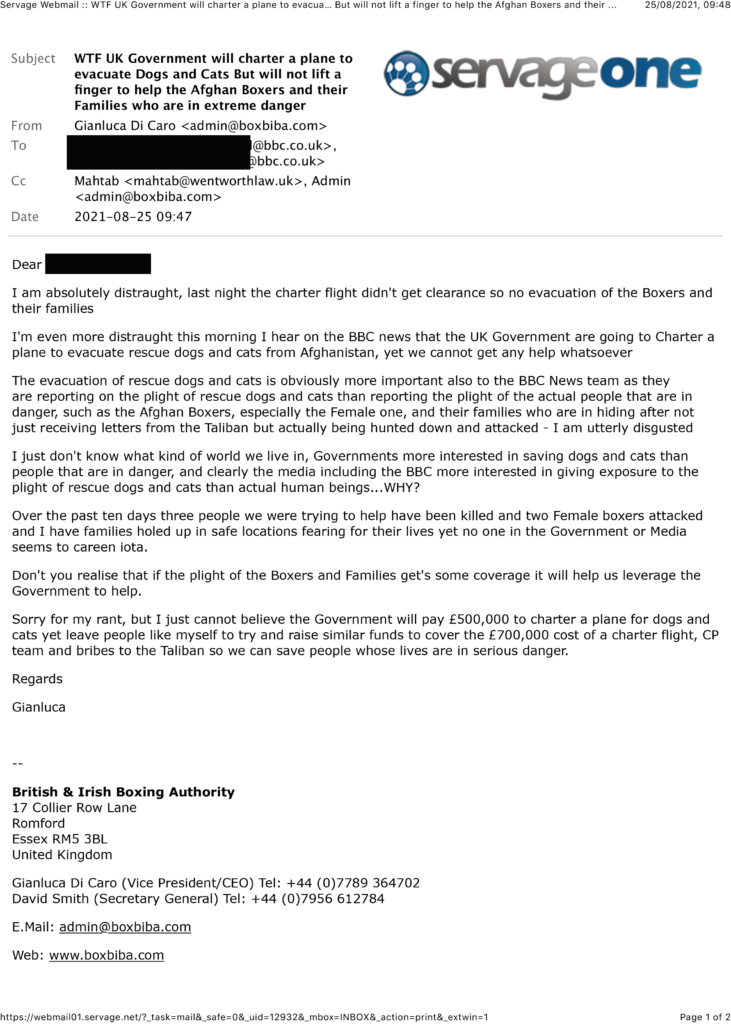
- The Black Hole of Digital Communication: Di Caro exposed how frantic asylum petitions sent to official Home Office inboxes were met with total silence or unmonitored automated responses.
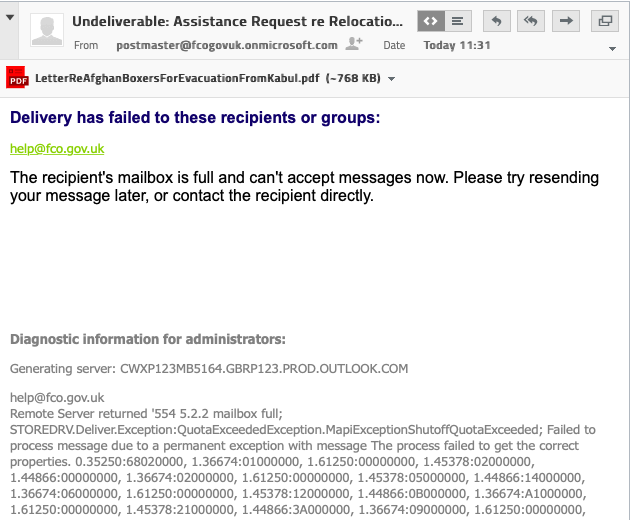
- Whistleblower Corroboration: Parliamentary testimony from civil servants (such as Foreign Office official Raphael Marshall and crisis-centre staff) later confirmed these exact systemic failures—revealing that thousands of life-or-death emails were left unread, junior staff were overwhelmed without adequate crisis management structures, and public statements masked deep internal administrative dysfunction to read UK Parliament report please click here.
To read The UK Government report – UK leadership and the withdrawal from Afghanistan please click here:
- Vindication of Private Action: The validation of these institutional failures proved that official government channels were incapable of handling the crisis independently, cementing the private extraction network built by Gianluca Di Caro, Marianne Marston, Mahtab Aziz, and the broader BIBA Taskforce as an essential lifeline that prevented mass casualties among Afghanistan’s athletic community.
Ongoing Status and Legacy
This mission remains one of the largest private sport-specific humanitarian extractions executed and has been cited as the blueprint for non-governmental crisis response.